
Christmas Season in Bulgaria: A Warm, Flavorful Winter Celebration
Christmas in Bulgaria (Koleda) isn't just a holiday - it's a season of deep-rooted traditions, family gatherings, and the comforting aroma of homemade dishes. It is one of the most anticipated and culturally rich holidays of the year. As winter settles over the Balkans, Bulgaria transforms into a cozy, candlelit world where old customs meet modern celebrations. Blending ancient pagan roots with Orthodox Christian traditions, the season feels both mystical and heartwarming. Streets glow with lights, and families gather around tables filled with symbolic foods, homemade treats, and of course… Rakia, Bulgaria’s beloved fruit brandy.
Although Christmas Day (December 25) is the centerpiece, the season truly begins weeks earlier with Advent fasting. Many Bulgarians observe a 40-day fast, avoiding animal products in preparation for the holiday.
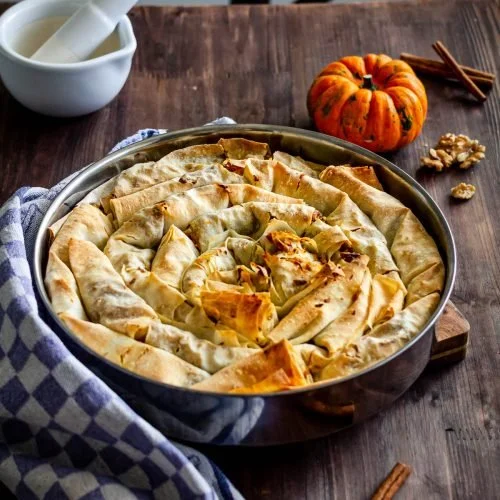
Christmas Eve (Budni vecher) is the most tradition-heavy night, wrapped in symbolism and warmth. Families gather around the table for a meatless feast, honoring centuries-old Orthodox customs. Here, every detail is meaningful - from the number of dishes (an odd number, usually 7, 9 or 11) to the round, hand-kneaded pita bread with a hidden coin baked inside. Whoever finds it is said to enjoy a year filled with luck and prosperity. Usually, on the table you can find Bob chorba – a bean soup representing abundance; Sarmi – cabbage or vine leaves stuffed with rice; Pita/Pitka – round bread with a fortune coin baked inside; Tikvenik – pumpkin pastry with walnuts and cinnamon; Dried-fruit compote – a sweet drink for health and longevity. The table is not cleared overnight—an invitation for ancestral spirits to “visit.”
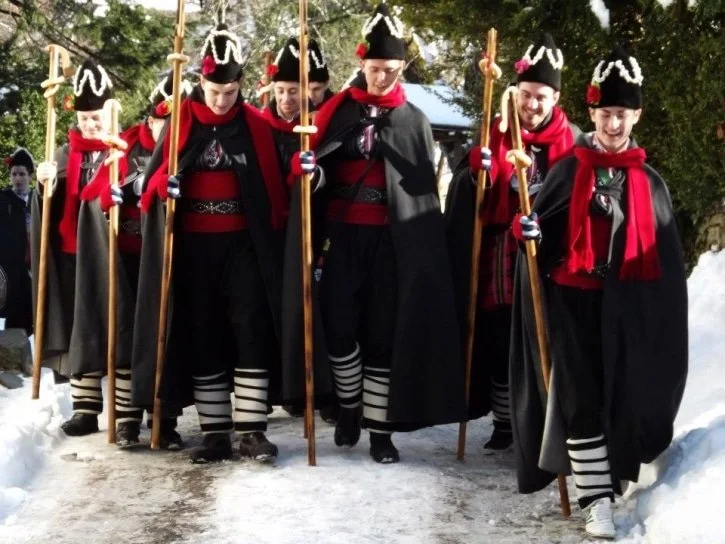
Just after midnight, groups of young men called Koledari (traditional carolers) travel from house to house singing traditional carols. Dressed in embroidered garments with heavy fur cloaks and carved wooden sticks, they visit house after house bringing blessings for health, prosperity, and protection. In return, they are welcomed with treats, bread and sometimes a splash of Rakia (for the adults, of course!)
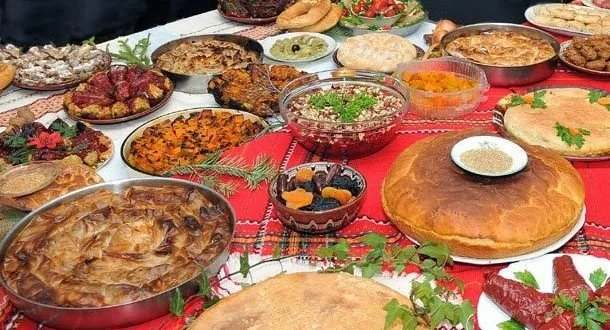
Christmas Day breaks the Advent fast, and now the celebration becomes hearty, loud, and joyful. Pork dishes take center stage - slow-roasted, tender, often cooked with cabbage or paired with homemade pickles. Fresh salads, warm loaves of bread and pastries.

No Bulgarian celebration is complete without Rakia - the country's iconic fruit Brandy. During the holidays, Rakia isn't merely a drink - it's a symbol of togetherness, hospitality and warmth. Guests arriving from the cold are greeted with a small glass to warm their spirits. Each sip of homemade Rakia (whether grape, plum, peach or the celebrated Muscat) carries stories, family pride and a bit of Christmas magic. Served alongside fresh salads or hearty meats, Rakia plays the role of both appetizer and conversation starter. Families often compare whose homemade Rakia is the strongest, the smoothest, or the “truest”—a friendly competition that adds charm to the season.
Christmas in Bulgaria is more than festive lights and decorated trees. It's a celebration woven from tradition, food, family, and the unmistakable warmth of Rakia. It's a season that invites you to slow down, gather close, raise a glass, and enjoy the flavors and memories that make the holidays truly magical.
